

🚨 Alert #4638 Tue Sep-15 13:03:30
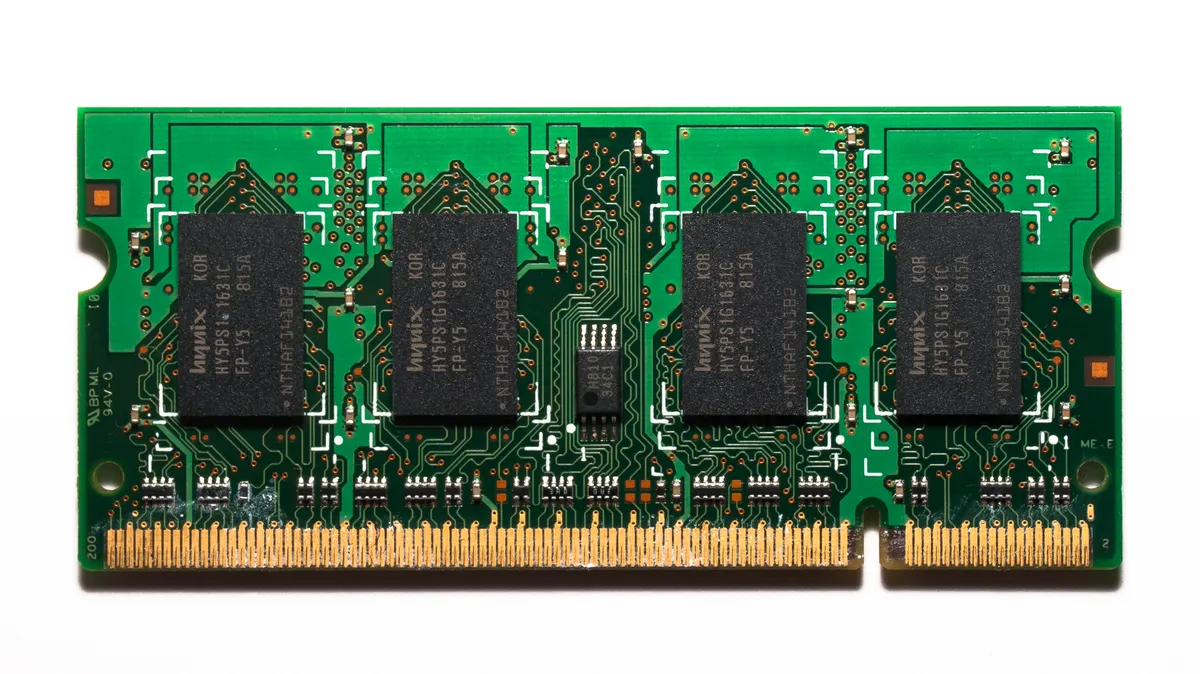
Apple reported record Q3 revenue and earnings but shares fell due to guidance concerns regarding memory cost pressures and margin compression.
🎯 Tickers & verdicts
🧭 Decisions
| strategy | ticker | action | side | rationale |
|---|---|---|---|---|
| S1 | AAPL | ● enter | ▼ short | verdict FRESH, direction bearish -> short AAPL (earnings: Apple reported record Q3 revenue and earnings but shares fell due to guidance concerns regarding memory cost pressures and margin compression.) |
| S2 | - | ○ skip | — | no counterparty in universe |
| S3 | MSFT | ○ skip | — | direction unclear for MSFT → close -0.67% |
| S4 | AAPL | ● enter | ▼ short | overnight drift: short AAPL at close, exit next close (earnings: Apple reported record Q3 revenue and earnings but shares fell due to guidance concerns regarding memory cost pressures and margin compression.) |
📈 Trades
| strategy | ticker | side | qty | entry | exit | P&L $ | status |
|---|---|---|---|---|---|---|---|
| S1 | AAPL | ▼ short | 3 | 330.71 | 331.65 | -2.82 | closed |
| S4 | AAPL | ▼ short | 3 | 331.39 | 332.55 | -3.48 | closed |
Retrospectives
| ticker | mfe | mae | reflection |
|---|---|---|---|
| AAPL S1 | +0.49% | -0.26% | Signal: Partially right — the short did move favorably to +0.49% unrealized, so the bearish read had some short-term validity, though price ultimately reversed above entry. Timing: The stock was already down 0.53% from prior close at decision time, so part of the guidance-driven drop had occurred pre-entry; the data here can't settle how much downside was left, only that entry came after an initial move. Exit: This is the dominant factor — the trade exited at roughly its worst unrealized point (−0.28% loss vs. worst of −0.26%), giving back the entire +0.49% favorable excursion that was available and turning a briefly winning position into a full loss. |
| AAPL S4 | +0.17% | -1.11% | Signal: wrong over the holding period. AAPL rose after entry (short at 331.39, closed 332.55), and the best unrealized was only +0.17% — the predicted continued downside essentially never materialized while the trade was open. Timing: the stock was already down 0.53% from the prior close at entry, so part of the guidance-driven drop had occurred pre-fill, though the data can't show how much further downside had already been consumed before that. Exit: the -0.35% realized loss sat between the +0.17% best and -1.11% worst, so the mechanical next-close exit gave back little relative to what was available — there was almost nothing to capture on the short side. Dominant factor: a bad signal — the overnight-drift thesis failed as the stock rebounded rather than drifting lower. |
📖 Glossary
- S1 primary — trades the alert's primary ticker in the direction the article itself indicates; exits at the same day's close.
- S2 counterparty — trades the inferred counterparty ticker (weakest signal, LLM-inferred sympathy); exits at the same day's close.
- S3 peer — trades an inferred peer ticker (also LLM-inferred sympathy); exits at the same day's close.
- S4 overnight — holds the primary ticker from today's close to the NEXT day's close.
- Verdicts are decided top-to-bottom, first match wins; REPRICING is also the fallback when nothing else matches (2026-08-08 #220).
- UNKNOWN — a needed price input (move since close or move in the last 30m) is missing.
- PRICED — |move since previous close| ≥ 2.0%: already reflected in price.
- REPRICING — |move in the last 30m| ≥ 0.5%: the tape is actively moving on it. Also covers a quieter move — |move since previous close| in [1.0, 2.0) with a quiet last-30m tape: still developing, not yet priced.
- FRESH — |move since previous close| < 1.0%: a genuinely new move.
- materiality — how market-moving the story was judged, 0-100 — alerts require materiality ≥ 70.