

🚨 Alert #6183 Thu Oct-01 13:50:10
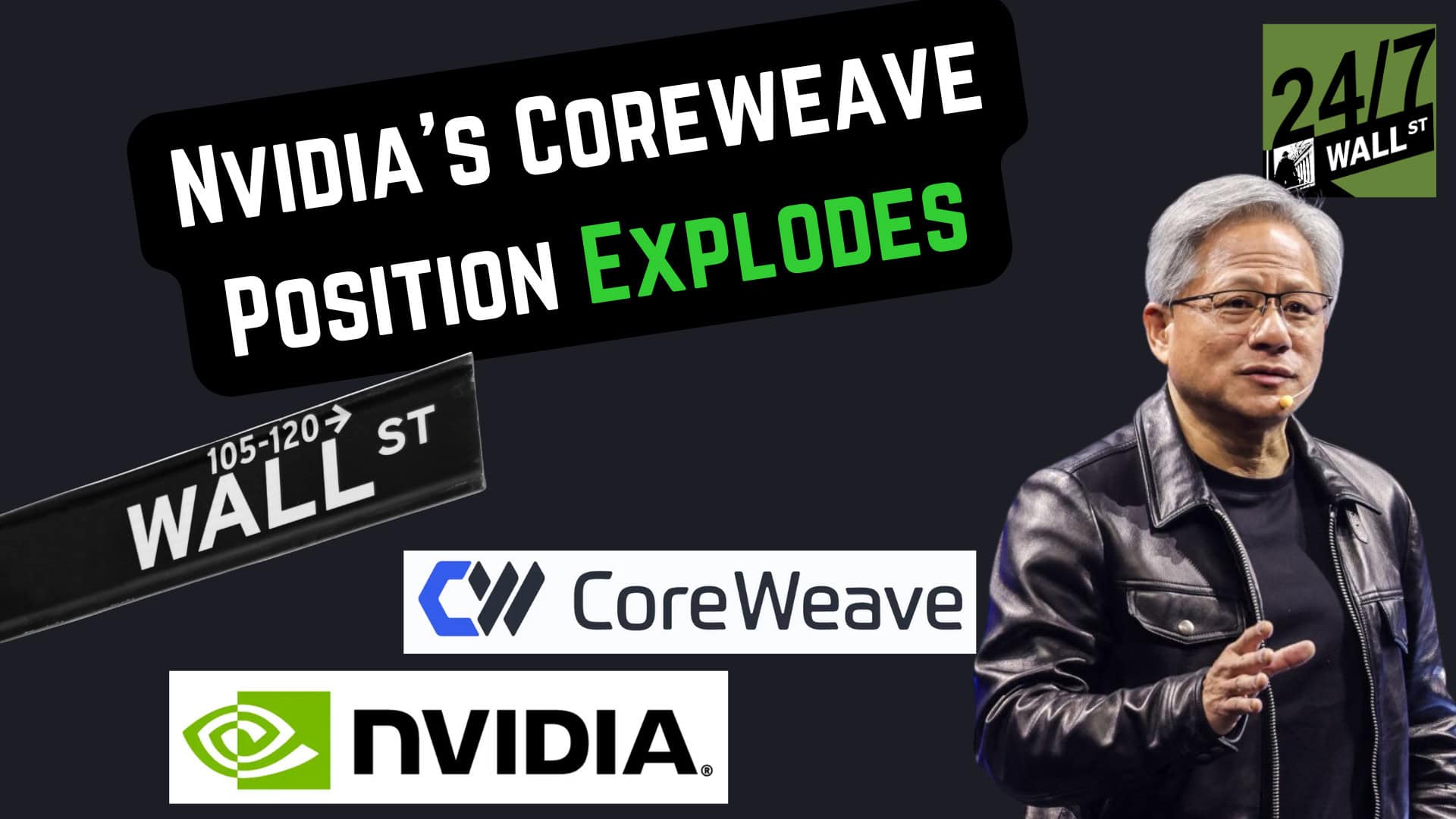
Nvidia Knows It Could Trigger a Credit Risk Shock and Collapse Markets
🎯 Tickers & verdicts
🧭 Decisions
| strategy | ticker | action | side | rationale |
|---|---|---|---|---|
| S1 | NVDA | ● enter | ▼ short | verdict FRESH, direction bearish -> short NVDA (earnings: Nvidia Knows It Could Trigger a Credit Risk Shock and Collapse Markets) |
| S2 | - | ○ skip | — | no counterparty in universe |
| S3 | - | ○ skip | — | no peer in universe |
| S4 | NVDA | ● enter | ▼ short | overnight drift: short NVDA at close, exit next close (earnings: Nvidia Knows It Could Trigger a Credit Risk Shock and Collapse Markets) |
📈 Trades
| strategy | ticker | side | qty | entry | exit | P&L $ | status |
|---|---|---|---|---|---|---|---|
| S1 | NVDA | ▼ short | 4 | 228.94 | 231.29 | -9.40 | closed |
| S4 | NVDA | ▼ short | 4 | 231.12 | 234.08 | -11.84 | closed |
Retrospectives
| ticker | mfe | mae | reflection |
|---|---|---|---|
| NVDA S1 | +0.24% | -1.44% | Signal was wrong: the rationale called for a bearish move off an opinion-style "credit risk shock" headline, but NVDA rose from 228.94 to 231.29 (+1.03% against the short), so the predicted direction simply didn't materialize — this is the dominant factor. Timing wasn't the problem in the usual sense: the stock was only +0.83% on the day and flat over the prior 30 minutes at decision time, so the short wasn't chasing an already-completed drop; it just entered ahead of a move that went the other way. On exit, the trade closed near its worst unrealized (-1.44% vs. realized ≈ -1.03%, pnl -9.40 USD) while the best available was a mere +0.24%, so there was essentially nothing to capture — the exit didn't leave money on the table, the thesis never worked. |
| NVDA S4 | +0.18% | -2.88% | Signal (dominant): The short was wrong — NVDA rose from 231.12 to 234.08 (+1.28%) over the holding window, and the best unrealized gain was only +0.18%, so the bearish "credit risk shock" headline never translated into a down move; the direction call failed outright. Timing: The stock was up +0.83% on the day at decision time with flat 30m momentum, and the fill came slightly above that, so there was no evidence the predicted decline had already occurred — the move simply went the other way. Exit: The mechanical next-close exit landed at -1.28%, well inside the -2.88% worst unrealized and near the ceiling of what a short could have captured (+0.18%), so exit mechanics neither cost nor saved anything material — this was a bad signal, not a bad exit. |
📖 Glossary
- S1 primary — trades the alert's primary ticker in the direction the article itself indicates; exits at the same day's close.
- S2 counterparty — trades the inferred counterparty ticker (weakest signal, LLM-inferred sympathy); exits at the same day's close.
- S3 peer — trades an inferred peer ticker (also LLM-inferred sympathy); exits at the same day's close.
- S4 overnight — holds the primary ticker from today's close to the NEXT day's close.
- Verdicts are decided top-to-bottom, first match wins; REPRICING is also the fallback when nothing else matches (2026-08-08 #220).
- UNKNOWN — a needed price input (move since close or move in the last 30m) is missing.
- PRICED — |move since previous close| ≥ 2.0%: already reflected in price.
- REPRICING — |move in the last 30m| ≥ 0.5%: the tape is actively moving on it. Also covers a quieter move — |move since previous close| in [1.0, 2.0) with a quiet last-30m tape: still developing, not yet priced.
- FRESH — |move since previous close| < 1.0%: a genuinely new move.
- materiality — how market-moving the story was judged, 0-100 — alerts require materiality ≥ 70.