

🚨 Alert #2901 Wed Aug-19 15:50:44
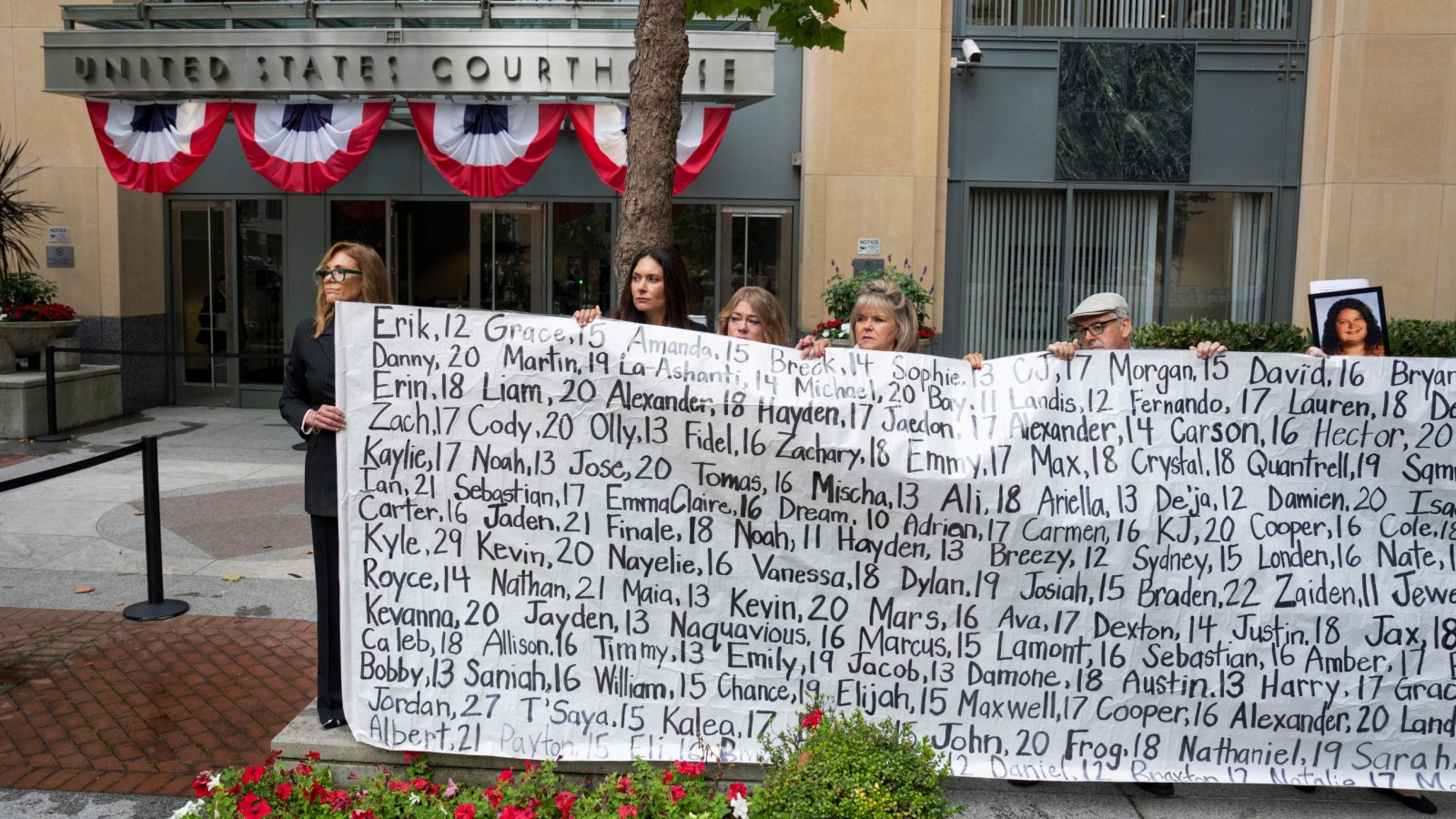
A former Meta safety director testified in a multi-state lawsuit that the company manipulated internal metrics to undercount teen addiction and harm on its platforms.
🎯 Tickers & verdicts
🧭 Decisions
| strategy | ticker | action | side | rationale |
|---|---|---|---|---|
| S1 | META | ● enter | ▼ short | verdict FRESH, direction bearish -> short META (regulatory: A former Meta safety director testified in a multi-state lawsuit that the company manipulated internal metrics to undercount teen addiction and harm on its platforms.) |
| S2 | - | ○ skip | — | no counterparty in universe |
| S3 | - | ○ skip | — | no peer in universe |
| S4 | META | ● enter | ▼ short | overnight drift: short META at close, exit next close (regulatory: A former Meta safety director testified in a multi-state lawsuit that the company manipulated internal metrics to undercount teen addiction and harm on its platforms.) |
📈 Trades
| strategy | ticker | side | qty | entry | exit | P&L $ | status |
|---|---|---|---|---|---|---|---|
| S1 | META | ▼ short | 1 | 548.61 | 546.01 | +2.60 | closed |
| S4 | META | ▼ short | 1 | 546.04 | 546.70 | -0.66 | closed |
Retrospectives
| ticker | mfe | mae | reflection |
|---|---|---|---|
| META S1 | +0.55% | -0.95% | Signal: Right — the bearish call played out; META fell from 548.61 to 546.01 (-0.47%). Timing: No evidence the move was stale — price was up +0.89% on the day at decision time, so the entry was ahead of the decline, not chasing it (though the -0.95% adverse excursion shows the trade first moved meaningfully against the short before working). Exit: Strong capture — the +0.47% realized is nearly all of the +0.55% best unrealized. Dominant factor: correct signal with a near-optimal exit; this trade did about as well as was available. The only caveat is the drawdown to -0.95% was larger than the eventual gain, but the data here doesn't indicate whether that reflected a timing flaw or ordinary noise. |
| META S4 | +6.05% | -1.01% | Signal: right. The short thesis played out — the position saw +6.05% unrealized gain while open, so the predicted downward move materialized. Timing: fine. Price was up +0.89% from prior close at entry, so the entry actually caught a slightly better (higher) short price; the adverse move had not already occurred. Exit: the dominant factor, bluntly. The mechanical next-close exit gave back the entire +6.05% favorable excursion and finished at -0.12% (-$0.66), meaning the strategy captured essentially none of a large move it correctly predicted. The data doesn't show when the +6.05% peak occurred relative to exit, but the round-trip P&L versus best unrealized makes exit capture the clear failure here. |
📖 Glossary
- S1 primary — trades the alert's primary ticker in the direction the article itself indicates; exits at the same day's close.
- S2 counterparty — trades the inferred counterparty ticker (weakest signal, LLM-inferred sympathy); exits at the same day's close.
- S3 peer — trades an inferred peer ticker (also LLM-inferred sympathy); exits at the same day's close.
- S4 overnight — holds the primary ticker from today's close to the NEXT day's close.
- Verdicts are decided top-to-bottom, first match wins; REPRICING is also the fallback when nothing else matches (2026-08-08 #220).
- UNKNOWN — a needed price input (move since close or move in the last 30m) is missing.
- PRICED — |move since previous close| ≥ 2.0%: already reflected in price.
- REPRICING — |move in the last 30m| ≥ 0.5%: the tape is actively moving on it. Also covers a quieter move — |move since previous close| in [1.0, 2.0) with a quiet last-30m tape: still developing, not yet priced.
- FRESH — |move since previous close| < 1.0%: a genuinely new move.
- materiality — how market-moving the story was judged, 0-100 — alerts require materiality ≥ 70.